THE FREIGHT HERO'S WEEKLY SUNDAY BLOG — 16 FEBRUARY 2025
The Port of Antwerp
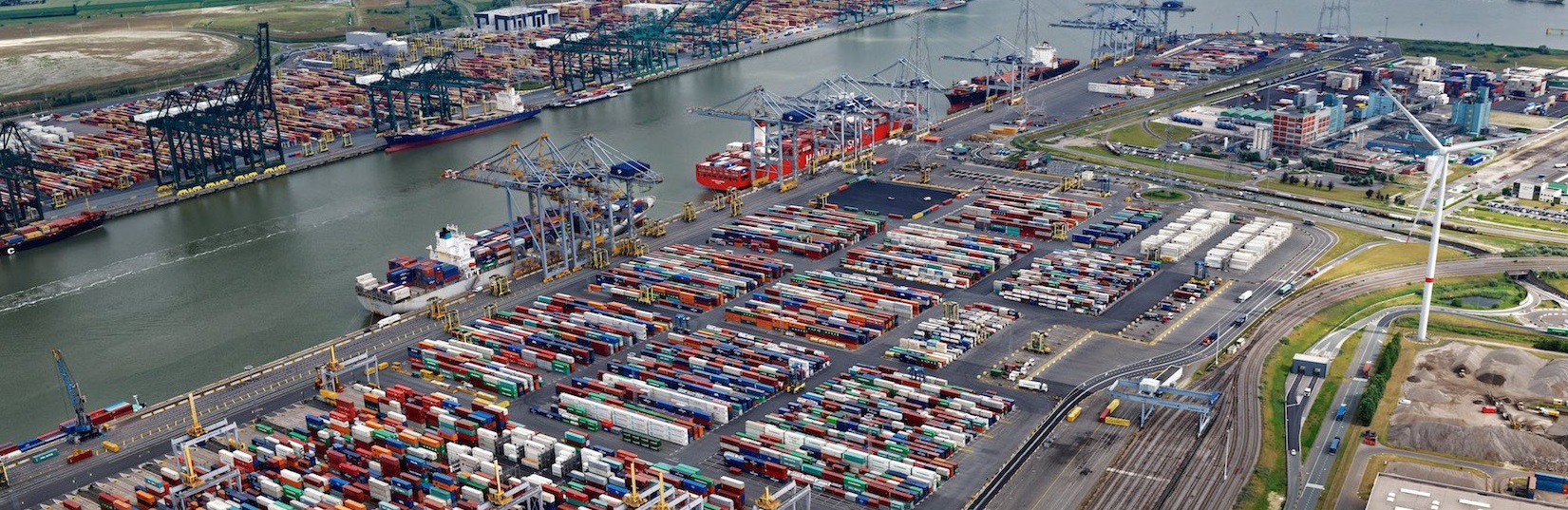
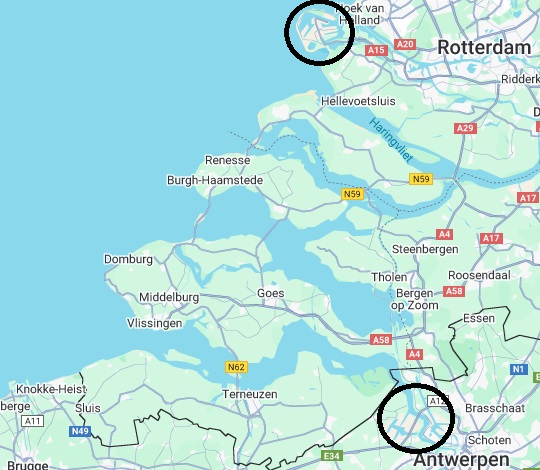
The Port of Rotterdam and the Port of Antwerp are both top-class ports in Europe. Rotterdam has a greater water depth, shorter access to the open sea and the Maasvlakte, which is suitable for the very largest container ships. Even so, Antwerp has a number of specific advantages over Rotterdam. Time to take a closer look at the Port of Antwerp.
Inland location
Antwerp lies deeper inside the European continent than Rotterdam. As a result, the distance to major industrial regions in Germany, France and Central Europe is shorter. As a rule this means lower transport costs and faster movement of goods to the hinterland. It also gives Antwerp a strong focus on warehousing and onward logistics. There is a great deal of storage capacity close to the port, and value-added services such as packaging, assembly and labelling are therefore located nearby as well.
Tides
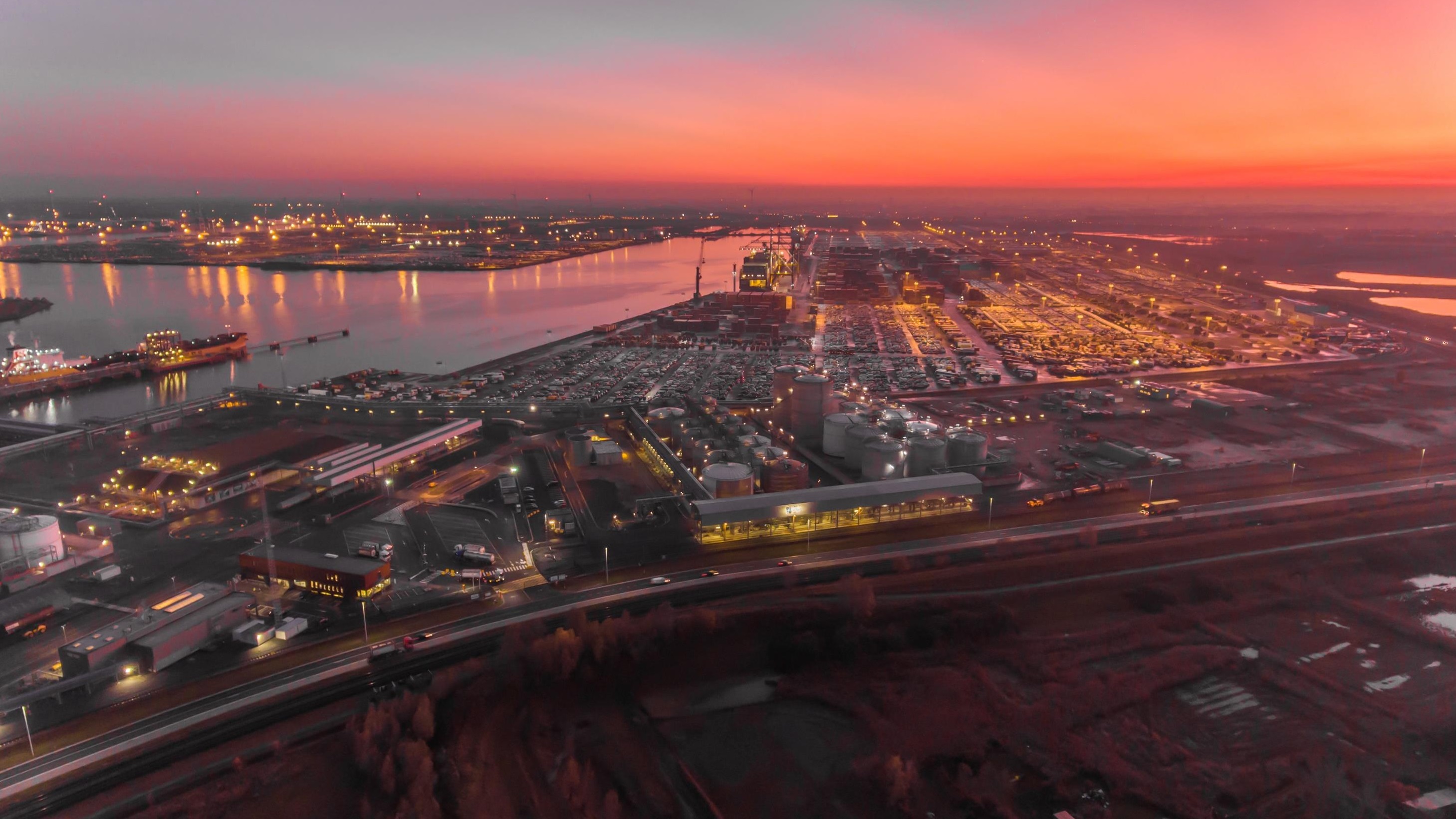
In the Port of Antwerp, ships can berth, load and unload independently of the tides, because the terminals lie within an enclosed system. Locks keep the water level stable, unlike in Rotterdam, where parts of the port are directly dependent on the tides. Antwerp is what is known as a tide-independent port. This means shorter waiting times and more stable planning for ships. It also results in lower handling and port costs.
Right bank
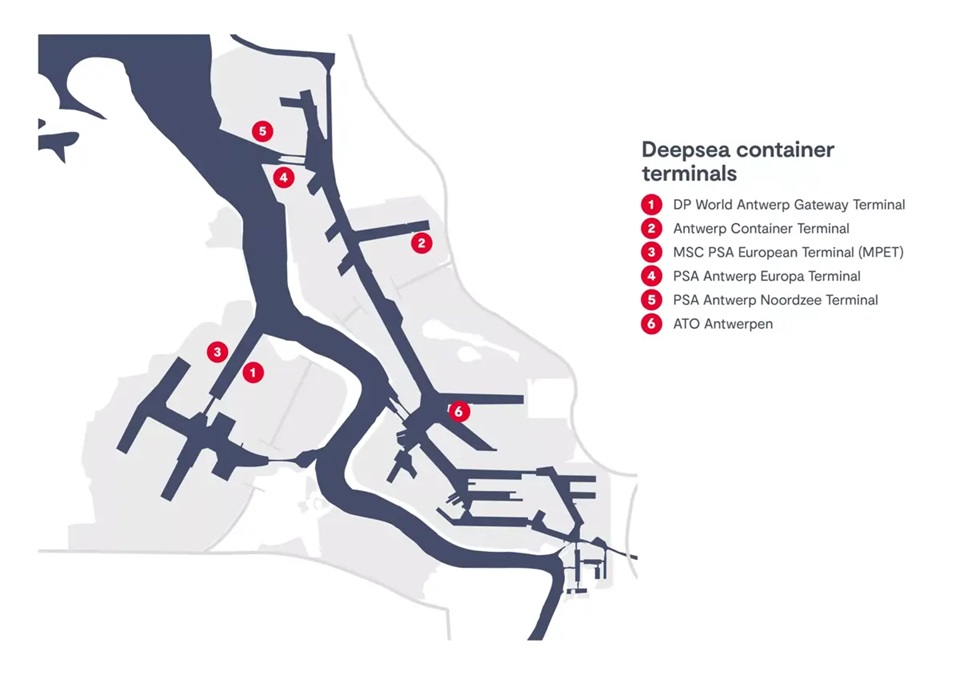
The right bank of the Port of Antwerp lies on the eastern side of the Scheldt when looking downstream (towards the sea). This is the traditional and oldest part of the port, where a large share of the industrial and logistics activity takes place. The Europa Terminal was officially commissioned in 1990. A second, the Noordzee Terminal, followed in 1997. Both terminals are located on the right bank, before the locks, and are fairly similar in layout and infrastructure.
Left bank
The left bank of the Port of Antwerp lies on the western side of the Scheldt and is the fast-growing part of the port. Originally the right bank was the main port area, but because of a lack of space and the need for expansion the left bank has developed strongly. The largest part of the port on the left bank is the Waasland Port. Within it lies the Deurganck Dock, an area of 1,000 hectares. Here you will find the MSC PSA European Terminal and the DP World Antwerp Gateway, where large container ships can be received.
- MSC PSA European Terminal
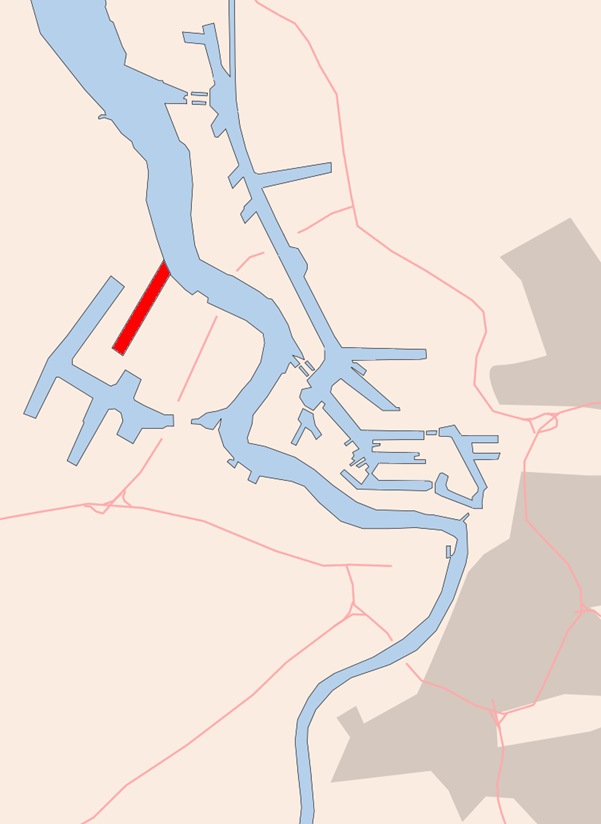
With a draught of 16 metres, the MSC PSA European Terminal is suitable for the latest generation of mega container ships of up to 24,000 TEU. It is a joint venture between Mediterranean Shipping Company (MSC) and PSA Antwerp. PSA International, formerly the Port of Singapore Authority, has a network of port projects spread across 26 countries worldwide. Its home port of Singapore is by far the most important for PSA.
- DP World Antwerp Gateway
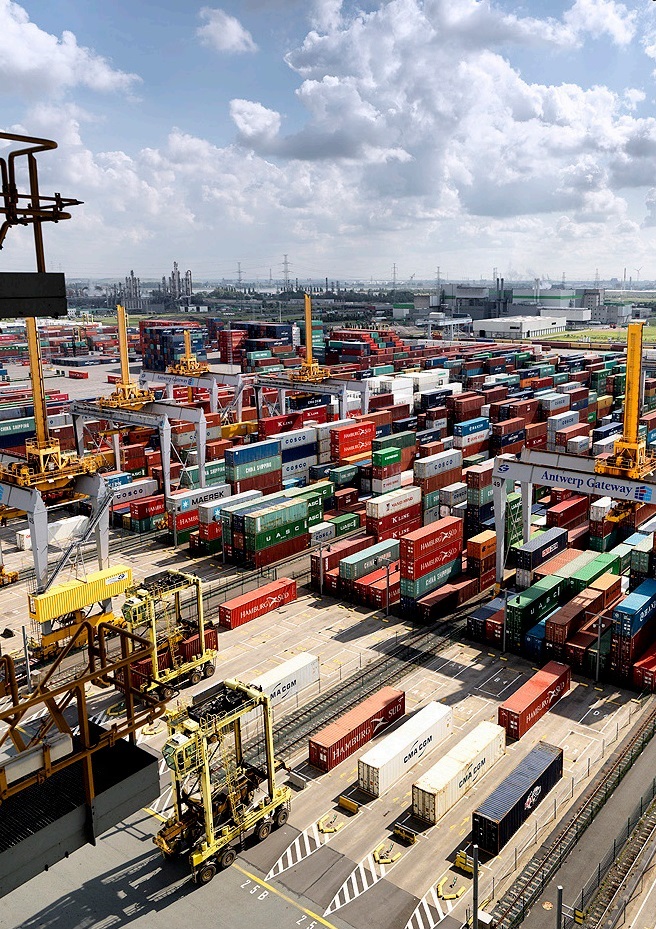
The Antwerp Gateway Terminal is one of the largest and most modern container terminals in the Port of Antwerp, and is operated by DP World Antwerp, a subsidiary of DP World, one of the largest port groups in the world. The terminal has a number of unique features and innovations and is equipped for multimodal transport, which means containers can be transferred quickly and efficiently between ships, inland vessels, trains and trucks.