
The Alliance is Dead, Long Live the Alliance!
February 4, 2025
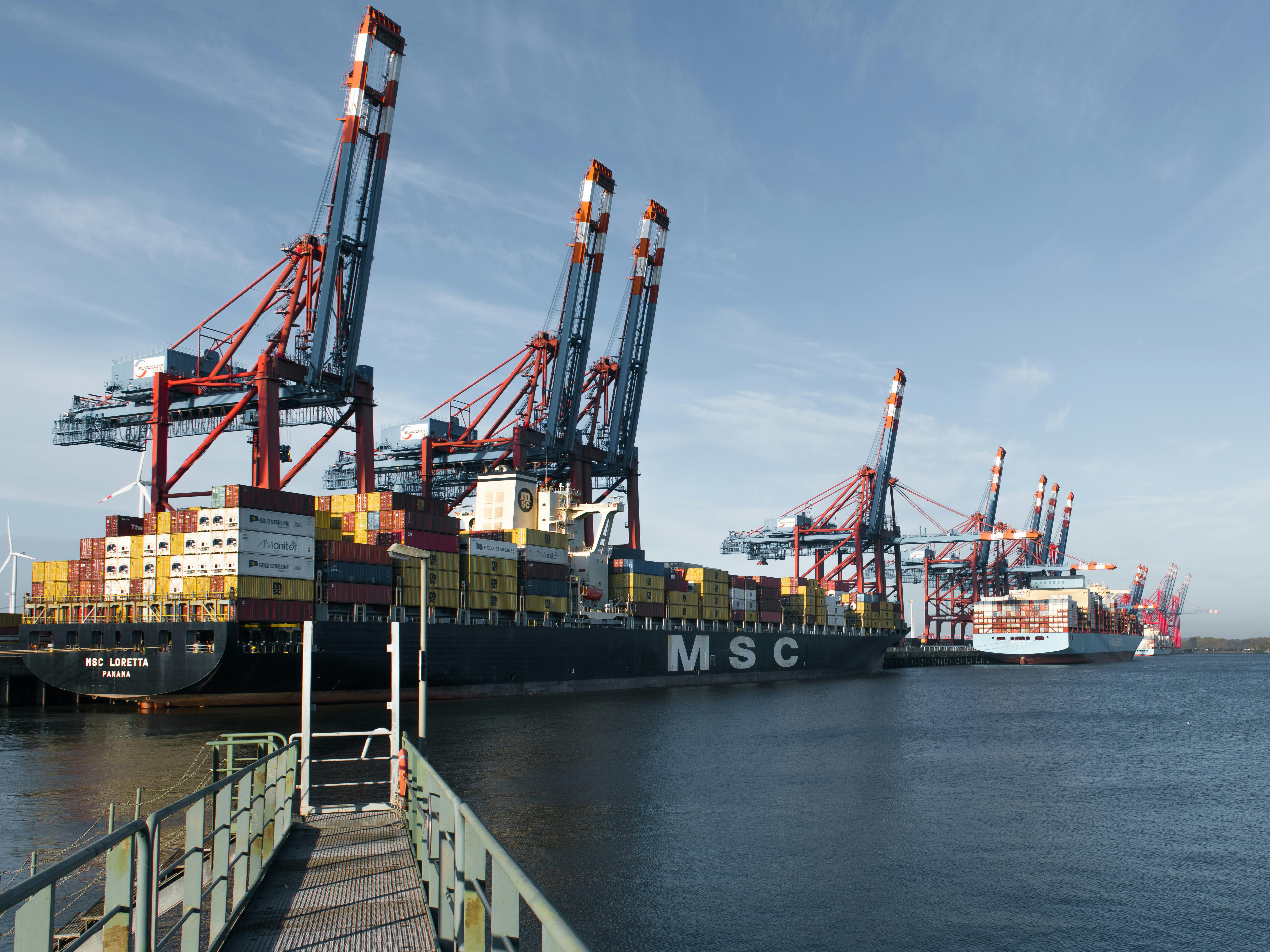
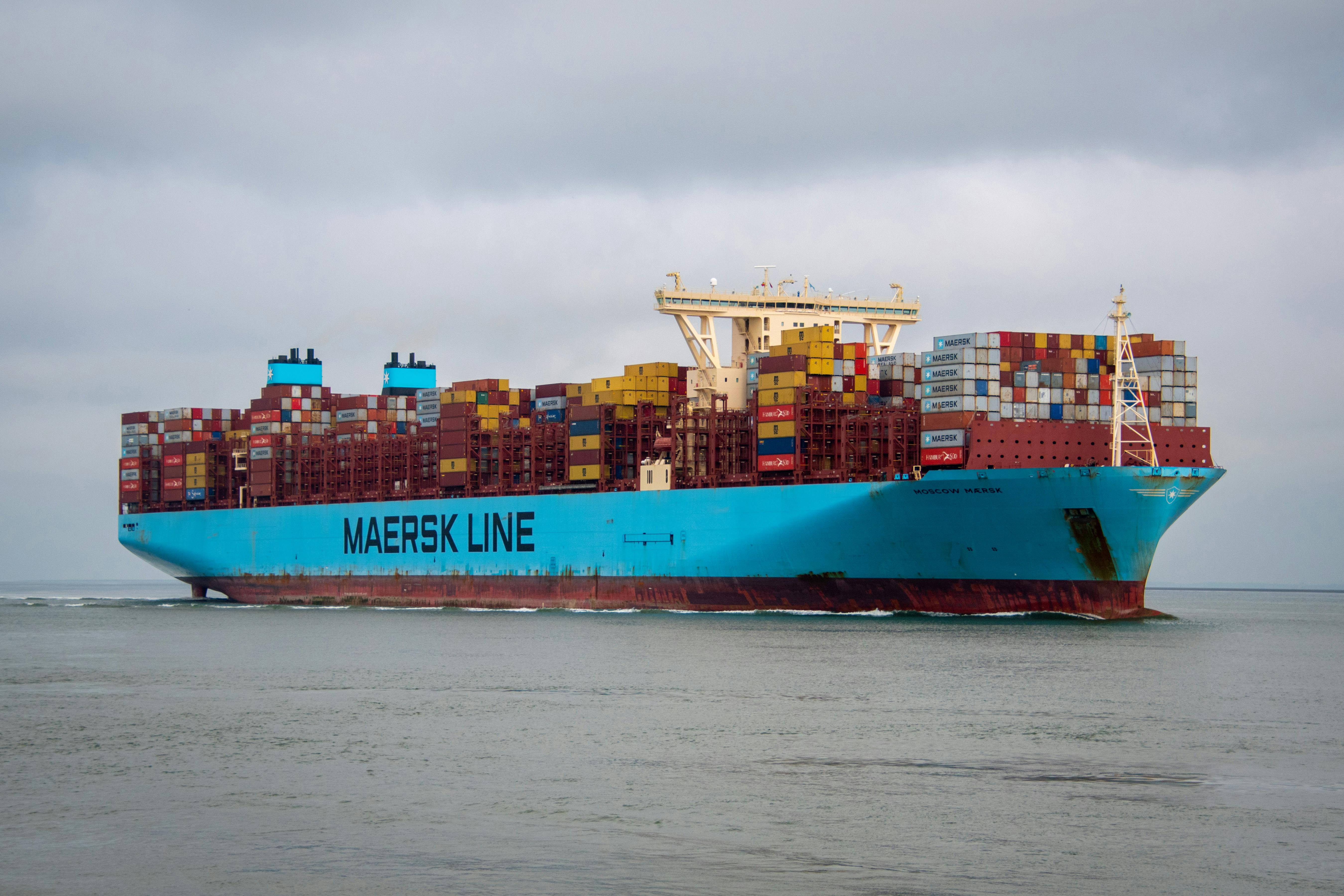
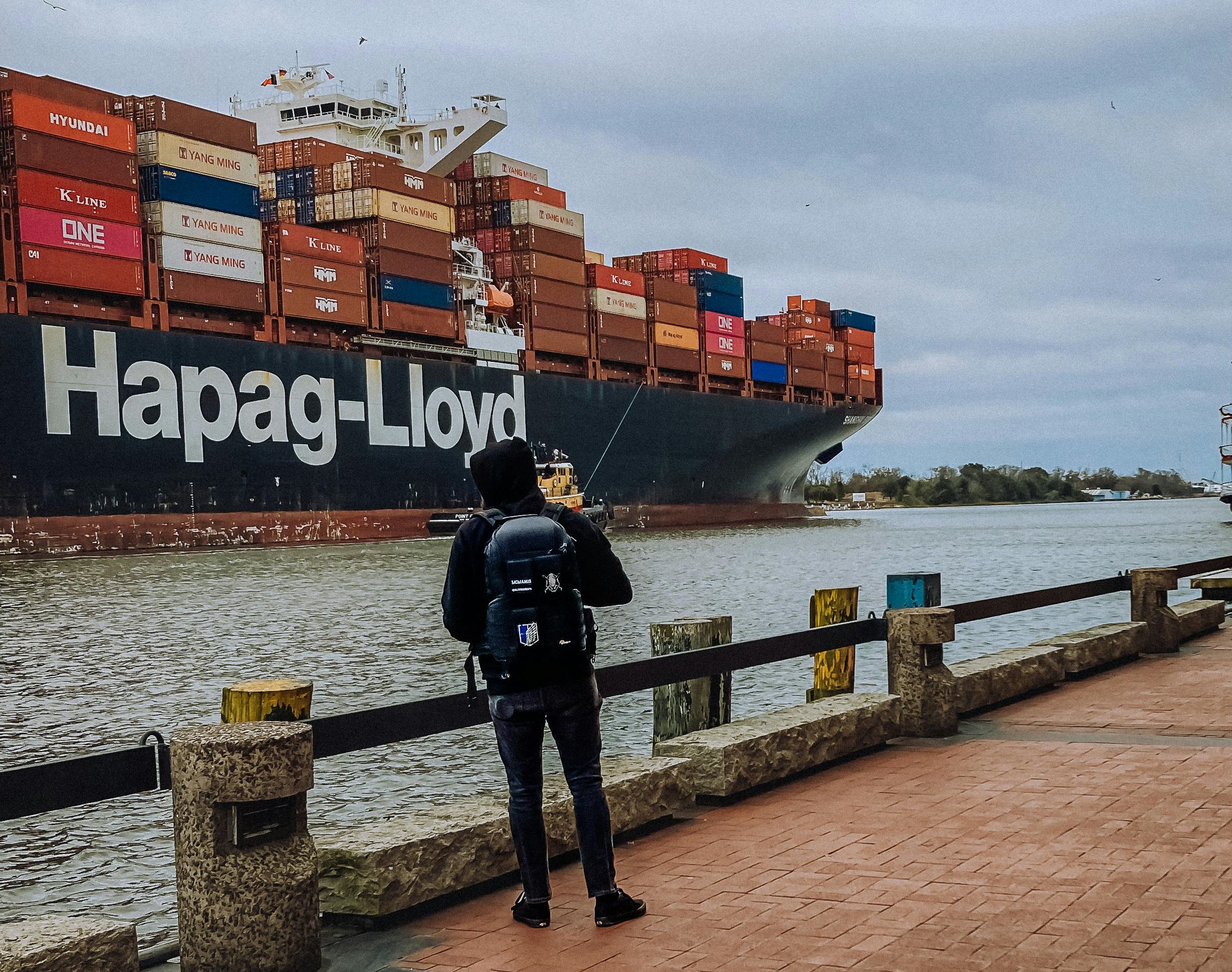
As announced two years ago, the 2M container shipping alliance officially ended in January. MSC will continue independently, without any alliance collaboration. Maersk, however, is not the only player seeking new partnerships — Hapag-Lloyd has now left THE Alliance and will form the new Gemini Alliance with Maersk starting February 2025.
Objective
The Gemini Alliance is a long-term operational partnership between Hapag-Lloyd and Maersk. Its goal is to create a fast, flexible, and integrated sea freight network, focusing on reliability, connectivity, and sustainability.
Commitment
The alliance aims to achieve over 90% schedule reliability once its network is fully established. It also promises enhanced service quality, shorter transit times, and access to some of the best-connected seaports in the world. The network includes:
7 major trade lanes
57 services (main and shuttle routes)
Additional feeder services
A fleet of 340 modern and efficient vessels with a total capacity of around 3.7 million TEU
CO₂ Emissions
Both companies have set ambitious decarbonization targets:
Maersk: Net-zero emissions by 2040
Hapag-Lloyd: Net-zero by 2045
Rerouting via Cape of Good Hope
Due to current security risks in the Red Sea, Maersk and Hapag-Lloyd have decided to reroute their vessels via the Cape of Good Hope for now.
The first Gemini vessel, Kassiakos (4,360 TEU), is scheduled to transit the Suez Canal on Monday morning, February 3, 2025, servicing the regional route between Port Said (Egypt) and Saudi Arabia. However, a rapid return of East-West services via the Red Sea and Suez Canal is not expected until the region is deemed fully secure.
Hopeful Outlook
Maersk considers the current ceasefire between Israel and Hamas to be a hopeful sign. The announcement by Houthi rebels to temporarily halt attacks on Red Sea shipping is also seen as a step in the right direction. However, Maersk warns that the situation remains unpredictable, and the security risk is still too high for regular passage.
High Ambition
The alliance's reliability goals are very ambitious. In December 2024, Maersk achieved the highest reliability rateamong container carriers at 60%, while Hapag-Lloyd lagged behind at under 50%, meaning only half of its shipsarrived on time.
"Hub & Spoke" Model
Maersk and Hapag-Lloyd expect higher reliability thanks to their "Hub & Spoke" model. Major container shipping lines now only call at a limited number of key ports (hubs), such as Rotterdam. Smaller ports (the spokes) are served via feeder connections. In other words:
The spokes keep the wheel turning.
Uncertainty from U.S. Policy
The announcement by U.S. President Donald Trump to impose high import tariffs has negatively affected investor sentiment in the shipping sector. This creates major uncertainty about the future of global trade flows.
Rising Ocean Freight Rates
In the short term, shipping lines may benefit from the situation. In fact, uncertainty has often led to increased freight rates, as seen during the COVID-19 crisis and the Red Sea disruption.
It remains important to closely monitor sea freight rates.
Visit the Freight Hero booking platform regularly to stay updated.